If you are thinking about buying waterfront in Cornelius, it helps to know one thing right away: a lakefront home is not just a regular home with a better view. On Lake Norman, shoreline access, dock rights, flood exposure, and permit history can shape both value and risk in ways that do not show up as clearly in a typical suburban purchase. When you understand those details early, you can shop smarter, protect your investment, and move forward with more confidence. Let’s dive in.
Why Cornelius Waterfront Stands Apart
Cornelius has more than 70 miles of shoreline on Lake Norman and is widely known as the Town by the Lake. The town’s long-range planning documents also note that remaining lakeshore is limited, which makes waterfront property a distinct and scarce segment of the market.
That scarcity matters when you are comparing homes. Two properties with similar square footage can perform very differently in price and long-term appeal if one has better shoreline usability, deeper water at the pier, or more direct dock access. In Cornelius, the lot itself often tells a bigger story than the house alone.
What Drives Waterfront Value
On inland homes, buyers often focus first on layout, finishes, and neighborhood setting. On waterfront homes, those still matter, but the lake-facing features often carry more weight.
Key value factors can include:
- Usable shoreline
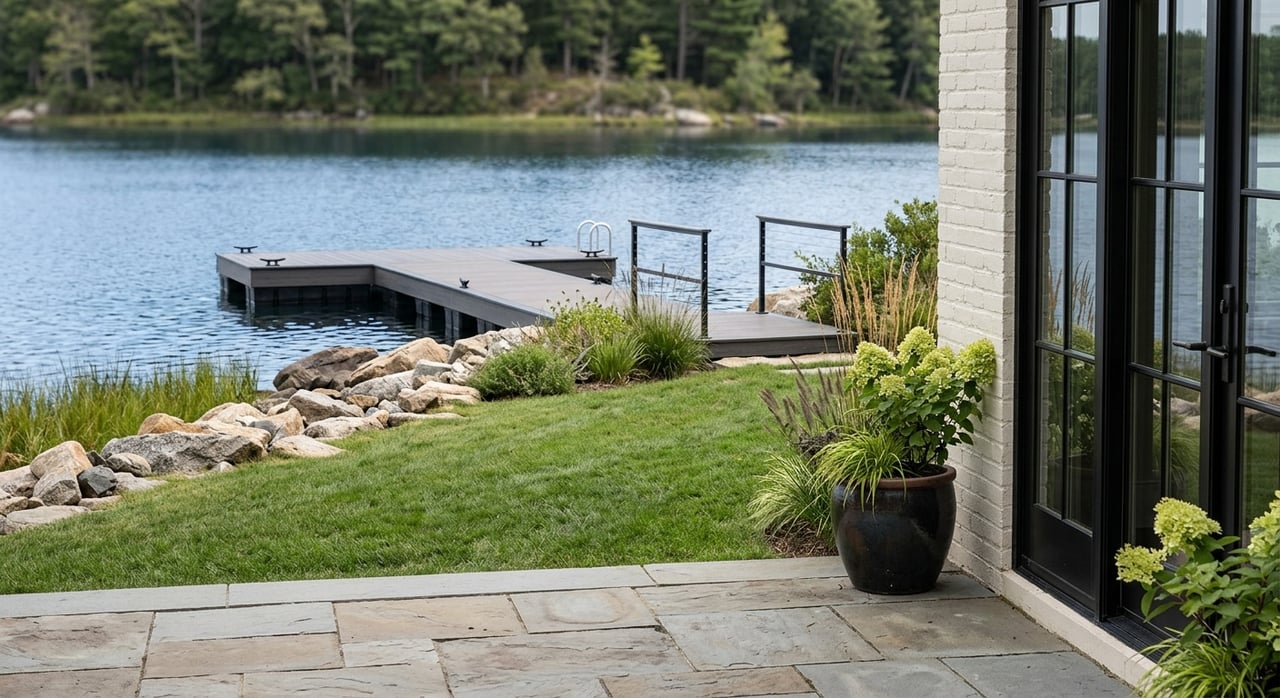
- Dock or pier access
- Water depth near the dock
- Lot slope
- View corridor
- Shoreline condition
- Community rules about slips or marina access
This is why waterfront pricing tends to be more site-specific than pricing for non-waterfront homes. A beautiful house on the lake can still come with limitations that affect how you use the property.
Shoreline Rules Matter More Than Many Buyers Expect
One of the biggest differences with Cornelius waterfront is that the property may fall under more than standard neighborhood or municipal considerations. Because Lake Norman is part of Duke Energy’s Catawba-Wateree system, shoreline changes may also fall within a utility-managed framework.
If you want to change a pier, dock, or shoreline area, Duke Energy Lake Services may need to be involved. Depending on the project, you may need a registered survey, plan and profile drawings, local permits, and even a state shoreline stabilization permit. In some cases, a lease may also require a certificate of insurance.
That means you should never assume an existing dock is fully documented or that a future shoreline project will be simple. Before you close, you want clarity on what exists, what was approved, and what may be required later.
Check Dock and Slip Rights Carefully
Water access can look straightforward during a showing, but the details can be more layered. A dock, slip, or marina right may be deeded to the property, assigned through a community structure, or controlled by an HOA.
That distinction affects both value and daily use. If access is HOA-controlled, there may be waiting lists, transfer rules, use restrictions, or separate fees. If a dock is private, you still want to confirm its permit history and whether it aligns with current shoreline requirements.
HOA Rules Can Affect Waterfront Enjoyment
Many Cornelius lakefront communities have recorded covenants and HOA rules. In North Carolina, restrictive covenants, HOA status, and flood-zone status are treated as material facts, which is one reason these documents deserve close review during due diligence.
For waterfront property, HOA rules may address:
- Exterior changes
- Boat storage
- Slip use
- Rental restrictions
- Marina access
- Maintenance responsibilities for shared areas
These rules do not necessarily make a property less appealing, but they do shape how you can use it. The key is to review them early enough to make an informed decision.
Flood Risk Is a Core Part of the Decision
Every waterfront buyer should take flood risk seriously. Flood insurance is separate from standard homeowners insurance, and FEMA notes that floods can happen outside the highest-risk areas as well.
If the home is in a high-risk flood area and you are using a government-backed mortgage, flood insurance is required. Even when it is not required, it is smart to understand whether the property sits in a FEMA flood zone or a locally regulated floodplain before your due diligence period ends.
In Mecklenburg County, buyers can use county floodplain mapping tools and 3D Floodzone Maps to review flood-related conditions tied to a parcel. That local layer is especially useful because it helps you see more than just the basic listing description.
Drainage and Erosion Deserve a Closer Look
Waterfront risk is not only about flood maps. You also want to understand how the property handles water on the ground.
Pay close attention to drainage patterns, erosion, retaining walls, seawalls, bulkheads, and any visible shoreline stabilization work. If stabilization is needed, North Carolina DEQ has a shoreline stabilization application process, and Duke Energy may also require a shoreline permit before work begins.
A home can show beautifully and still have hidden shoreline maintenance issues. Looking at the land as carefully as the structure can save you from expensive surprises.
Why a Current Survey Is So Important
A current survey is helpful in many real estate transactions, but on waterfront property, it becomes even more valuable. Survey issues can include encroachments, easements, access ways, and flood zones.
On a lakefront lot, a survey can also help confirm how the house, dock, and improvement areas sit relative to the shoreline and any restriction lines. If there is any uncertainty about boundaries or use rights, this is one of the best tools for getting answers.
Seller Disclosures Still Matter
North Carolina requires sellers to disclose known latent defects. On waterfront property, that can be especially important because some issues are not obvious during a quick visit.
Examples might include known drainage failures, shoreline erosion concerns, or prior problems tied to improvements near the water. This is another reason due diligence should be active and thorough, not passive.
Due Diligence in North Carolina
In North Carolina, the standard Offer to Purchase and Contract uses a due diligence period. Buyers commonly use that time to investigate the home, review title work, obtain inspections, secure financing, and request a survey or appraisal.
The due diligence fee is negotiated, paid to the seller, credited at closing, and is generally nonrefundable if you terminate, except in certain situations such as seller breach or specific contract terms. That makes your planning upfront even more important, especially on a property type with extra layers like waterfront.
Your Waterfront Due Diligence Checklist
If you are buying waterfront in Cornelius, your review process should go beyond the standard home inspection. You want to confirm both the home and the shoreline-related rights and restrictions before your deadline expires.
Here are the big items to verify early:
- Whether the dock or pier is legally permitted and documented
- Whether shoreline structures have Duke Energy approval if required
- Whether a slip, dock, or marina right is deeded, assigned, or HOA-controlled
- What the HOA covenants and marina rules allow
- Whether the property is in a FEMA flood zone or a locally regulated floodplain
- What a current flood insurance quote looks like
- Whether the survey shows encroachments, easements, or boundary concerns near the water
- Whether there are visible or known shoreline erosion, drainage, or stabilization issues
This kind of checklist helps you compare properties more clearly. It also gives you a better sense of true ownership costs, not just the purchase price.
Why Waterfront Pricing Needs Extra Context
Waterfront homes in Cornelius do not always fit cleanly into a simple price-per-square-foot analysis. Because shoreline supply is limited and lake-use features vary so much from lot to lot, one home may command a premium for reasons that are not obvious from photos alone.
For example, a smaller home with better shoreline usability or more straightforward dock rights may be more appealing than a larger home with shallow water, more restrictions, or unresolved permit questions. That is why local, property-specific interpretation matters so much in this segment.
What To Know Before You Make an Offer
Before you fall in love with the sunsets and water views, pause and ask a few practical questions. Is the shoreline usable in the way you want? Is the dock permitted? Are there floodplain concerns? Does the HOA limit how you store a boat or use a slip?
These are not small details. In Cornelius, they are central parts of the buying decision and often have a direct effect on value, cost, and peace of mind.
Buying waterfront can be incredibly rewarding when you go in with clear eyes and the right information. If you want thoughtful guidance on Cornelius waterfront homes and a buyer strategy built around the details that matter most, connect with Sylvia S. Gause.
FAQs
What makes a Cornelius waterfront home different from a non-waterfront home?
- A Cornelius waterfront home is shaped by shoreline access, dock or slip rights, flood exposure, shoreline condition, and permit history in addition to the home itself.
What should you verify about a dock when buying waterfront in Cornelius?
- You should verify whether the dock or pier is legally permitted, documented, and approved where required through Duke Energy Lake Services.
What flood questions should buyers ask about a Cornelius waterfront property?
- You should ask whether the property is in a FEMA flood zone or a locally regulated floodplain and get a flood insurance quote early in due diligence.
Why is a survey important for a Cornelius lakefront home?
- A current survey can help identify encroachments, easements, access issues, flood-zone details, and the relationship of the home and dock to shoreline restrictions.
How do HOA rules affect waterfront homes in Cornelius?
- HOA rules may control slips, boat storage, rentals, exterior changes, marina access, and other use details that can affect how you enjoy the property.
What should buyers inspect on the shoreline of a Cornelius waterfront lot?
- Buyers should inspect drainage, erosion, retaining walls, seawalls, bulkheads, and any shoreline stabilization needs before the due diligence period ends.