Thinking about moving up but not sure how to sell your Concord starter home without stress or surprises? You are not alone. Many Cabarrus County homeowners want more space, better functionality, or a different neighborhood, yet worry about timing, financing, and what they will actually net. This guide gives you a clear, local plan to price smart, prep efficiently, and bridge your next purchase with confidence. Let’s dive in.
Concord market snapshot for move-up sellers
Concord reads as a balanced to mildly buyer-leaning market in several areas, which means pricing and presentation matter. Zip-level medians show meaningful differences: 28025 has hovered around an approximate median of $365,000, while 28027 has been closer to $436,400. Your home’s value will depend on recent comparable sales, condition, and micro-location. Request a current CMA and use online estimates only as a rough check.
Local taxes affect monthly carrying costs and closing prorations. Cabarrus County’s adopted FY26 rate is $0.576 per $100 of assessed value, and Concord’s FY26 city rate is $0.42 per $100. These figures shape your net proceeds and should be part of your planning. Review the county and city budget updates for context and confirm your most recent assessment and any exemptions:
- Check the county’s adopted FY26 rate and example assessment on the Cabarrus County website. Cabarrus County FY26 budget overview
- See the City of Concord’s FY26 budget details. City of Concord FY26 budget news
Your move-up roadmap
Use this step-by-step plan to move up with less disruption.
1) Get your value and equity snapshot
- Ask a local agent for a comparative market analysis and verify with recent, hyperlocal comps.
- Pull your mortgage payoff to learn the exact balance and per-diem interest.
- Estimate equity: expected sale price minus payoff minus selling costs.
2) Secure pre-approval for the new home
- A fresh pre-approval shows what you can afford, especially if you might carry two mortgages for a short time.
- Discuss debt-to-income, reserves, and whether you need to sell before closing on the next home.
3) Choose the right timing strategy
- Sell first: lower risk and immediate access to cash for your next down payment, but you may need short-term housing.
- Buy first: move once and avoid temporary housing, but you will manage overlap and higher short-term debt. Options include a HELOC or a bridge loan.
- Contingent offer or rent-back: in a balanced market, some sellers accept home-sale contingencies or a brief rent-back after closing. In North Carolina, the standard Offer to Purchase includes a due-diligence fee and a negotiated due-diligence period. These are central bargaining points for both sides. Learn how the fee and period work in the state’s standard forms. NCREC bulletin on due diligence
4) Prep your starter home for market
- Focus on high-ROI updates, staging, and professional photos. Plan your showings and open-house windows to support your purchase timeline.
5) Align your closings and logistics
- Choose your closing attorney or title partner early, order payoff and tax prorations, and map the move, storage, or rent-back so your family routine stays intact.
Financing to bridge the gap
You have options if you want to buy before you sell.
- HELOC or home equity loan: A HELOC provides flexible access to equity for a down payment or earnest money. It typically has a variable rate and a draw period. Understand payment terms and risks before you proceed. See the CFPB’s plain-English explanation. CFPB guide to HELOCs
- Bridge loan: A short-term loan that helps you purchase first while you wait for your sale to close. It often costs more than a standard mortgage, so compare rates and terms. How bridge loans work
- Second-lien or cash-out options: If you have a low first-mortgage rate, a second lien might let you keep it in place. A cash-out refinance replaces your current loan and may raise your rate. Decide based on total cost and timeline.
Pro tip: Talk with at least two local lenders about HELOC limits, bridge loan pricing, and whether a second lien or cash-out refinance makes sense given your current rate and your target price point.
Pricing strategy by ZIP and neighborhood
Anchor your strategy to zip-level realities. In Concord, many “starter” homes sit around the low-to-high $300s, while many move-up targets begin in the low $400s and up depending on location, home features, and school attendance zones. Remember:
- Zip differences matter. A home in 28025 may perform differently than a similar one in 28027 due to home age, lot size, and community amenities.
- Position your price to attract a confident buyer window. In a balanced market, aim for strong exposure in the first 7 to 14 days and adjust quickly if showings lag.
- Always request an up-to-date CMA that reflects your specific neighborhood and property features.
Prep that boosts your net
The right prep can reduce days on market and help your bottom line.
- Staging: Research shows staging helps buyers see potential and can influence both time on market and offer strength. If budget allows, stage your living room, kitchen, and primary bedroom. Expect a conservative range of about $1,000 to $5,000 depending on scope and vendor pricing. NAR study on staging
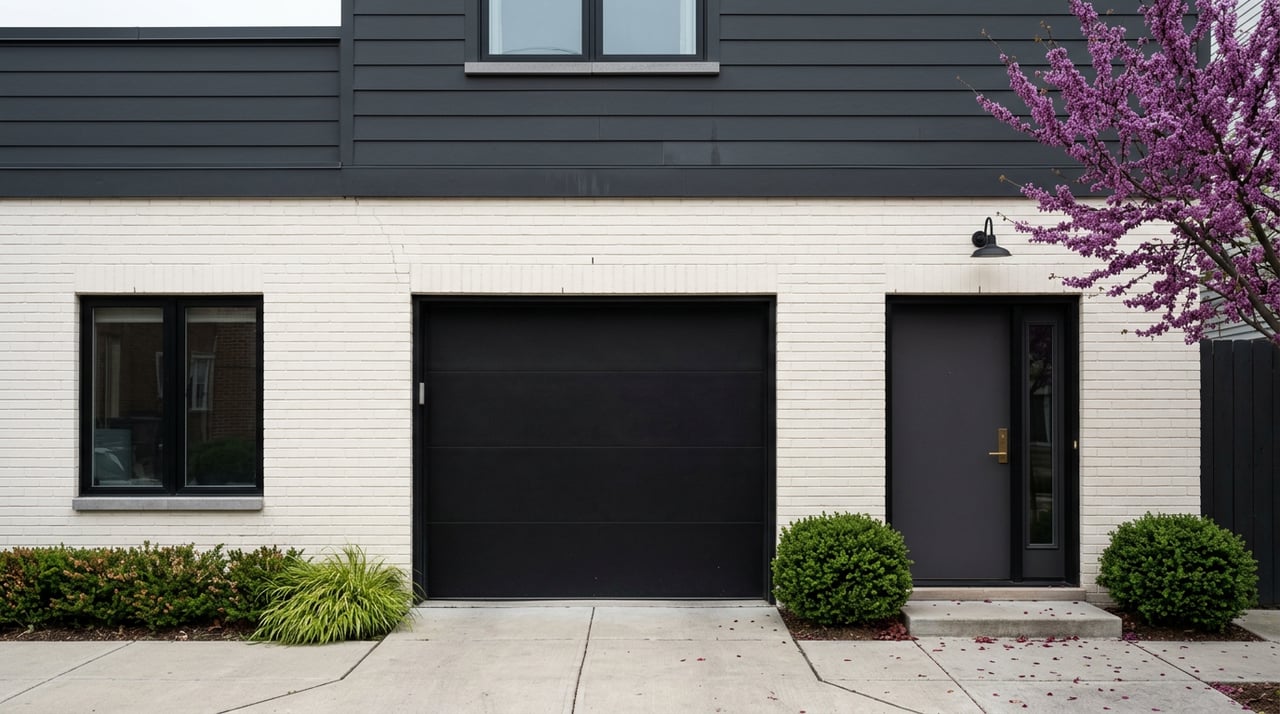
- High-ROI projects: National Cost vs. Value data highlights exterior and modest interior updates as top performers, including a garage-door replacement, steel entry door, manufactured stone veneer, and a minor kitchen remodel. Keep changes focused and budget-savvy. 2025 Cost vs. Value report
- Compass Concierge and marketing: With Live Love Luxe, you can access funded pre-sale improvements through Compass Concierge and a structured 3-Phase Marketing plan designed to present your home at a premium level without an ultra-luxury price tag.
Quick prep checklist
- Declutter, depersonalize, and deep clean.
- Neutral interior paint and updated lighting or hardware.
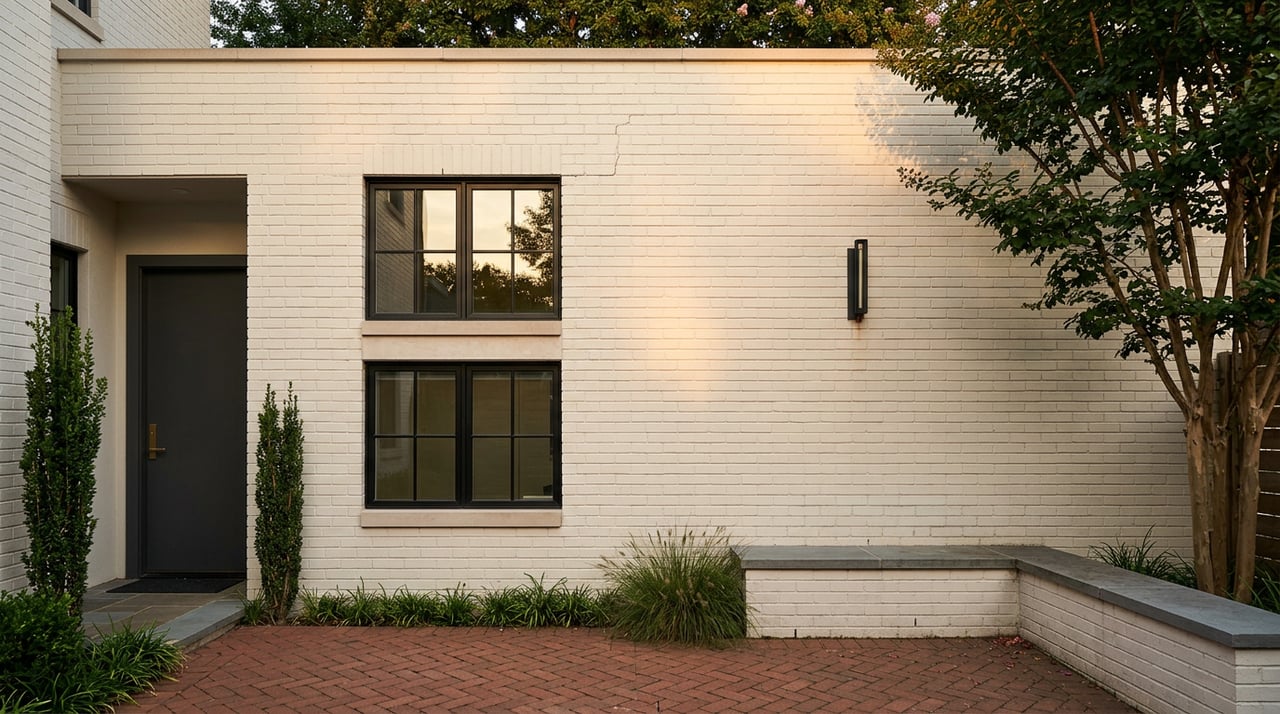
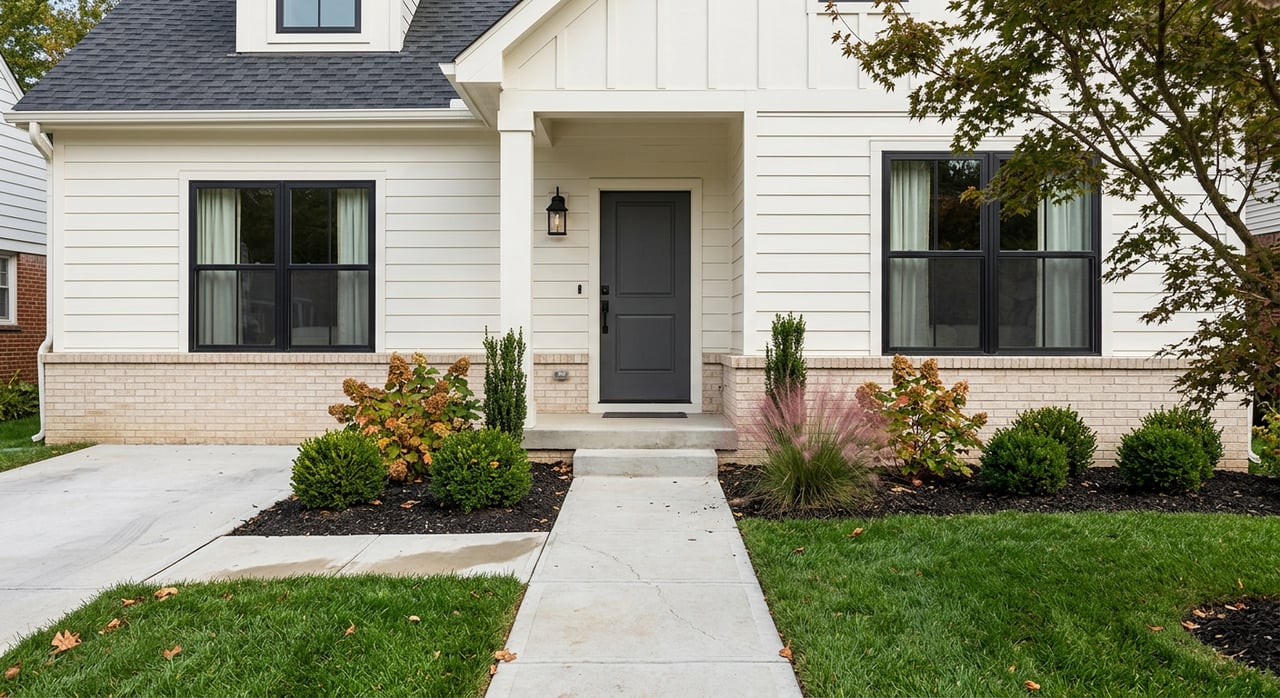
- Curb appeal refresh: trim landscaping, mulch, repair or paint the front door and railings.
- Consider a pre-list inspection to reduce surprises.
- Hire professional photography to showcase light, layout, and finish quality.
What will you net? A clear example
Use this simple formula to estimate net proceeds: expected sale price − mortgage payoff − commissions − closing fees − repairs or credits = estimated net.
Here is an illustrative scenario for a Concord-area starter home. Numbers are examples only.
- Sale price: $380,000
- Commissions: 5.5 percent total = $20,900
- Other seller closing costs: approximately 2.74 percent = $10,412
- Mortgage payoff: $150,000
- Repairs or credits: $2,500
Approximate net proceeds: $380,000 − $20,900 − $10,412 − $150,000 − $2,500 = $196,188.
Also factor tax prorations based on county and city rates, HOA or transfer fees if applicable, and any agreed credits at closing. Since commissions and buyer-agent compensation have become more negotiable since 2024, discuss fees up front so your estimates match your plan.
NC contract details that shape timing
North Carolina’s standard Offer to Purchase uses a due-diligence fee paid to the seller at contract and a negotiated due-diligence period. These terms influence the risk and certainty for both sides and are important levers when you coordinate a buy and a sell. Review the state’s guidance or talk with your agent and closing attorney about typical amounts and timelines in today’s market. NC due diligence overview
Minimize disruption with smart coordination
You can make a move-up feel smooth with careful planning.
- Sequence your listing: launch midweek, stack showings over the first weekend, and use feedback to fine-tune pricing or presentation.
- If you buy first, line up movers, storage, or a rent-back to bridge your overlap comfortably.
- Choose your closing team early for a clean payoff, accurate tax prorations, and on-time closings.
- Lean on Live Love Luxe’s vendor network, Compass Concierge, and 3-Phase Marketing to manage staging, light improvements, and premium marketing so you can focus on your next home.
Ready to sell your starter and step up without the guesswork? Let’s map your equity, pricing, and timing, then execute with confidence. Connect with Sylvia S. Gause to get your personalized CMA, lender introductions, and a move-up plan that fits your family.
FAQs
How do I estimate equity from my Concord starter home?
- Use this formula: expected sale price − mortgage payoff − commissions − closing fees − repairs or credits. Ask your lender for a payoff letter and your agent for a detailed net sheet.
Should I buy first or sell first in a balanced market?
- If you prefer lower risk, sell first and use the proceeds for your next down payment. If you value convenience, buy first using a HELOC or bridge loan, then sell. Your cash reserves, debt-to-income, and timeline drive the choice.
What are the best low-cost updates before I list?
- Focus on curb appeal, neutral paint, lighting and hardware updates, and a light kitchen refresh. National data shows projects like a new garage door and a minor kitchen remodel often recoup well.
How does North Carolina’s due-diligence fee affect my sale?
- The due-diligence fee is paid to you at contract and the due-diligence period is negotiated. Together they shape risk, timing, and leverage. Your agent will advise typical ranges for your price point.
What financing can help me buy before I sell?
- Consider a HELOC for flexible draws or a short-term bridge loan to cover the gap until your home sells. Review risks and terms with trusted lenders. Start with the CFPB’s HELOC guide and a bridge-loan overview. CFPB on HELOCs | Bridge loan basics