Wondering if NoDa fits your lifestyle? If you love live music, local art, and walkable nights out, Charlotte’s arts district might be calling your name. At the same time, you may be weighing noise, parking, commute options, and whether to rent or buy. This guide gives you a clear view of daily life in NoDa, what homes look like, how people get around, and the trade-offs to consider. Let’s dive in.
What and where is NoDa
NoDa, short for North Davidson, sits just north of Uptown along North Davidson Street in Mecklenburg County. It is an inner-city neighborhood with a compact commercial spine and residential blocks around it. Exact boundaries vary by source, so if you need a precise map, confirm with the City of Charlotte or the NoDa Neighborhood Association.
Historically, this area grew as a mill and factory community in the early 1900s. As industry declined, artists and small venues moved in, and the neighborhood evolved into Charlotte’s arts district. In recent decades, infill construction and redevelopment have brought new homes and higher property values. Community conversations often center on keeping the creative spirit strong while new projects come online.
Housing options at a glance
NoDa offers a wide range of places to live. You will see everything from small historic houses to modern mid-rise apartments. Prices and rents vary by property type, and desirable listings can move quickly.
Historic bungalows and cottages
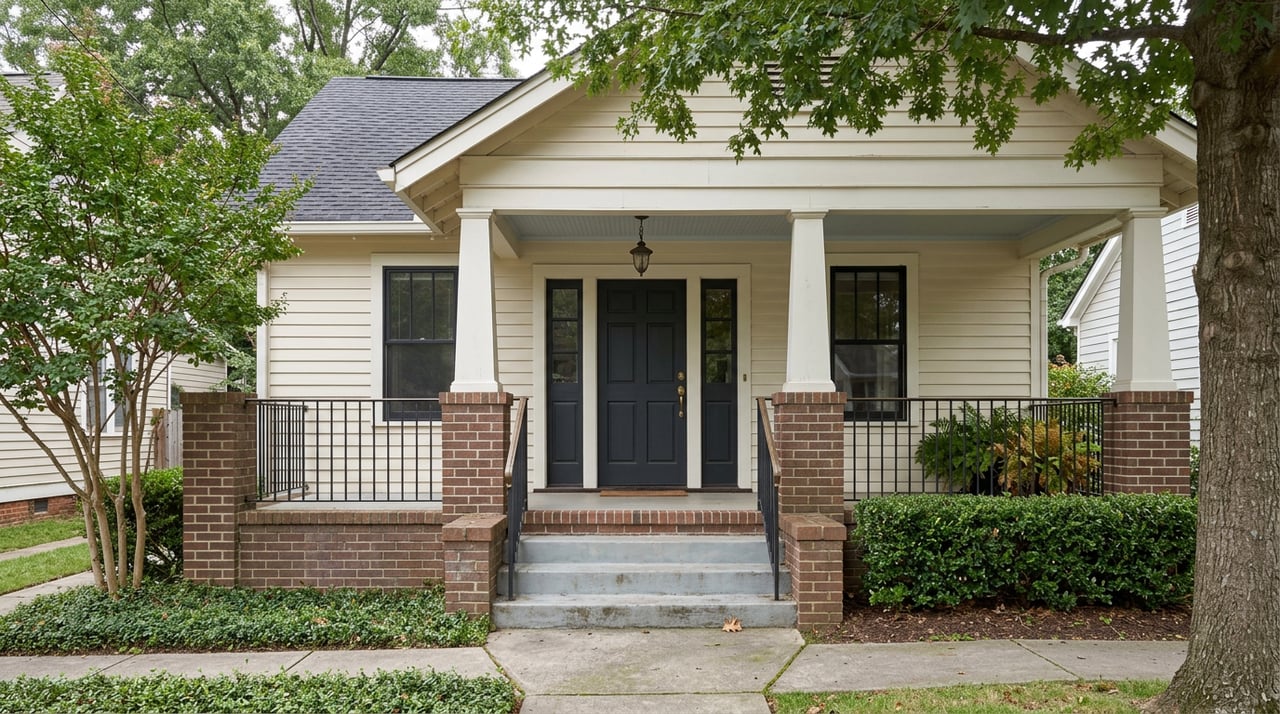
Early 20th-century bungalows and worker cottages give the neighborhood its classic look. Lots tend to be compact, which many buyers trade for walkability. Renovation quality varies, so pay attention to upgrades and soundproofing if you are near busy streets.
Lofts and creative conversions
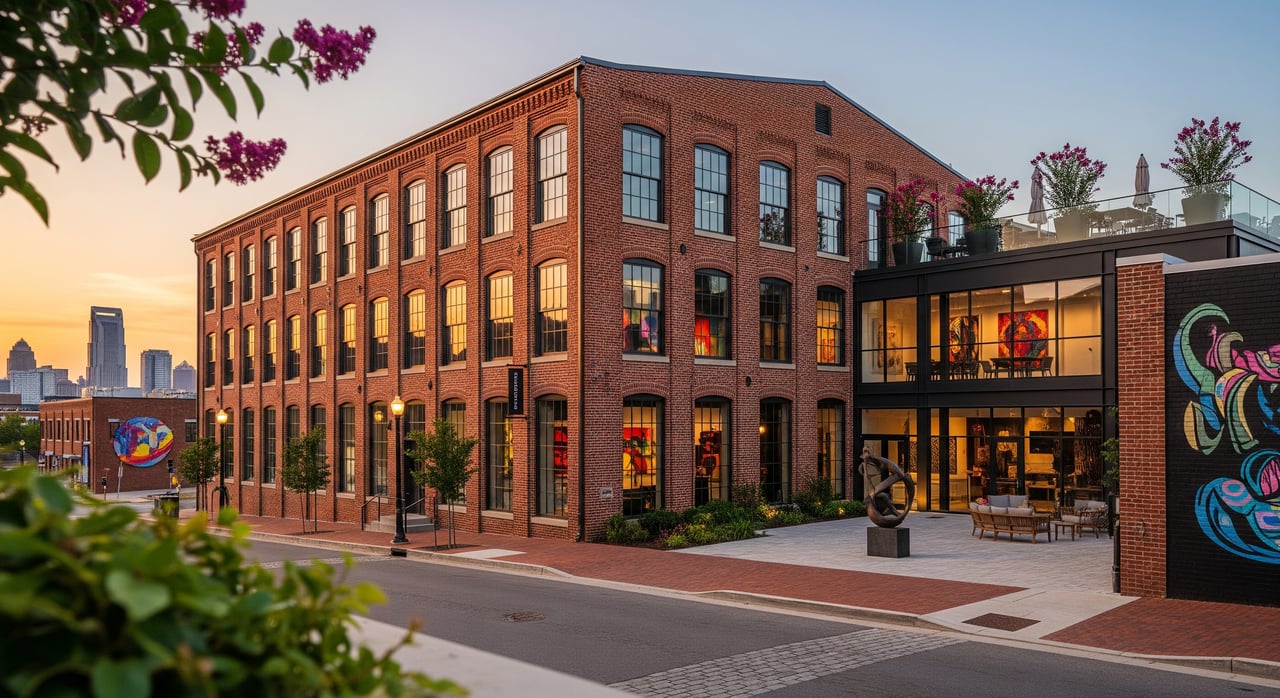
Former mill and industrial buildings have been adapted into lofts and studios. These homes appeal if you want an open, creative feel and proximity to galleries and venues. Ceilings can be high, and finishes vary from raw industrial to polished modern.
Townhomes and condos
Infill townhomes and newer condos appear on vacant lots and along side streets. Many are three to four stories and may include limited off-street parking. If you are buying, check HOA rules, fees, and any restrictions on rentals or renovations.
Apartments and rentals
You will find mid-size and larger apartment communities marketed to renters. The area has a higher share of renters than many suburban neighborhoods, which suits people who prefer flexibility and proximity to nightlife.
What to expect on pricing
NoDa is generally more expensive than outlying neighborhoods due to its central location and amenities. Since numbers change quickly, pull live local data for current sale prices and rents when you are ready to move. If you need help, a local agent can set up a custom search and real-time alerts.
Daily life: arts, dining, nightlife
Arts and music anchor the NoDa lifestyle. You will find artist studios, galleries, and recurring events like monthly gallery crawls. Small venues host local and touring acts, and independent eateries offer everything from quick bites to late-night stops.
Nightlife is active, especially on weekends along the main corridor. Expect heavier foot traffic and more noise near venues. If you prefer quieter nights, look at homes on inner residential blocks and visit properties in the evening to get a feel for the sound levels.
Walkability, biking, and green space
NoDa is known for a walkable core where you can reach coffee, casual dining, and entertainment on foot. Some blocks are more walkable than others, so pay attention to where a property sits relative to the commercial spine.
Cycling is common for short trips, and some streets include bike lanes. Bike comfort varies based on traffic levels, so try a few routes during your visit. For outdoor time, you will find small neighborhood parks and pocket greens nearby. For longer runs or weekend outings, many residents use nearby greenways and larger parks a short drive away.
Transit and commute options
One reason people choose NoDa is proximity to Uptown. In off-peak hours, car trips to Uptown can be under 15 minutes, although traffic can add time during rush periods.
Public transit is another strong option. The LYNX Blue Line serves North Charlotte, and parts of NoDa are within walking distance of the 36th Street station. CATS also operates bus routes that connect the district to other parts of the city. For the most current routes and schedules, use the CATS trip planner or a maps app with transit directions.
Driving for errands is straightforward, but parking can be competitive near popular spots and on weekend evenings. Many condos and apartment buildings include limited off-street parking. If you are buying, confirm parking details in the listing or HOA documents.
Trade-offs to weigh
Living in NoDa comes with classic urban trade-offs. The same energy that draws people to the neighborhood can also bring noise and parking pressure, especially along North Davidson and nearby blocks on weekends.
Perceptions of safety vary by block, similar to other urban neighborhoods. For a clear view, review Charlotte-Mecklenburg Police Department crime maps and visit at different times of day. A few smart steps help you decide fast:
- Visit on a weekday morning, a weeknight, and a weekend evening.
- Note noise levels, pedestrian activity, delivery trucks, and parking availability.
- Check building orientation, window type, and any soundproofing that may affect daily comfort.
Who loves NoDa, and who might not
You will feel at home in NoDa if you value a creative, social neighborhood with walkable access to arts and music. Many residents are young professionals, renters, first-time buyers, and people who prioritize experiences over large yards.
You might prefer another Charlotte area if you want bigger lots, very quiet evenings, or a lower-density environment. Families do live in NoDa, but they often weigh compact outdoor space, the presence of nightlife, and proximity to parks when choosing a home.
How to explore NoDa like a local
A well-planned visit helps you sense the rhythm of the neighborhood.
- Morning: Grab coffee and walk the main corridor to see daytime pace and street life.
- Midday: Stroll side streets to compare housing types, from historic cottages to modern townhomes.
- Afternoon: Test a transit route using the Blue Line from 36th Street to Uptown and back.
- Evening: Catch a live show or arts event to see crowd levels, parking, and noise in action.
As you explore, make notes on blocks that feel right, commute times, and parking patterns. If schools matter in your search, check Charlotte-Mecklenburg Schools zone maps and recent enrollment details before you narrow down addresses.
Renting vs. buying in NoDa
Both paths can work well, and your timeline and lifestyle drive the decision.
- Renting offers flexibility if you expect to change jobs, try different blocks, or watch how the area evolves.
- Buying can make sense if you plan to stay several years and want equity in a high-demand, central neighborhood.
- If you are noise sensitive, consider homes farther from the main corridor, ask about window upgrades, and visit after 9 p.m. on a weekend to test sound levels.
- If you own a car, verify off-street parking and guest options. For condos and townhomes, review HOA rules, maintenance coverage, and any rental restrictions.
- Given ongoing infill and redevelopment, keep an eye on rezonings and planned projects that may affect streetscape and traffic patterns.
Planning your next steps
If NoDa fits your style, the best move is to pair on-the-ground visits with live market data. Set up alerts for listings that match your criteria, compare HOA details across buildings, and run a commute test during your normal work hours. If you decide to sell a current home to buy in NoDa, premium presentation and timing can help you maximize net proceeds while minimizing stress.
For tailored guidance on homes, rentals, and timing, connect with Sylvia S. Gause. You will get hands-on buyer advocacy, neighborhood intelligence, and a clear plan to move at your pace.
FAQs
Is NoDa noisy at night?
- Expect more noise along the main commercial corridor on weekends, while inner residential blocks are usually quieter, so visit at different times to gauge your comfort.
How safe is NoDa?
- It has typical urban safety considerations that vary by block, so review CMPD crime maps and talk with neighbors or a local agent about recent trends on specific streets.
What types of homes will I find in NoDa?
- You will see historic bungalows, loft-style conversions, new townhomes and condos, and mid-size to larger apartment communities that offer a mix of ownership and rental options.
How close is NoDa to Uptown Charlotte?
- In off-peak hours the drive can be under 15 minutes, and parts of NoDa sit within walking distance of the LYNX Blue Line 36th Street station for easy access to Uptown.
Is NoDa good for families with children?
- Some families choose NoDa for the walkable lifestyle, and they often weigh compact yards, nightlife nearby, and proximity to parks while also checking CMS school zone maps.
What will NoDa look like in a few years?
- Expect continued demand, more infill development, and ongoing conversations about preserving neighborhood character alongside new projects and changing commercial tenants.