Are you wondering what daily life in NoDa really feels like once the murals, coffee shops, and weekend buzz become part of your normal routine? If you are thinking about buying or renting in Charlotte’s arts district, it helps to look past the highlight reel and understand how the neighborhood works day to day. From housing options and transit access to parking and price points, here is what you can expect when living in NoDa. Let’s dive in.
What makes NoDa feel different
NoDa, short for North Davidson, is Charlotte’s historic arts district and a former mill village that has grown into a mixed-use urban neighborhood. Its identity is still closely tied to local art, small businesses, and community events, which gives the area a distinct rhythm compared with more car-centered parts of the city.
The neighborhood also feels visually creative in everyday life. According to the NoDa Neighborhood and Business Association, the area has well over 30 murals and other public art installations. That means art is not something you visit occasionally here. It is woven into your normal walks, errands, and meetups.
Daily life in NoDa
For many residents, NoDa works best when your day is built around short trips. You might start the morning with coffee on East 36th Street, walk to a nearby errand, and meet friends later along North Davidson Street without needing a long drive between stops.
That pattern is supported by the neighborhood’s street design. North Davidson Street was rebuilt with curb bump-outs, tree wells, on-street parking, crosswalks, and updated lighting, while 36th Street was later restriped as a two-lane road with on-street parking. In simple terms, the area was shaped to feel compact and pedestrian-oriented.
A neighborhood with an arts-first identity
NoDa’s creative reputation is not just branding. Community programming still reflects that arts-based identity through local meetings, cleanups, markets, and neighborhood events. The NoDa Bizarre, for example, is described as an all-art market with more than 75 local artisans, live music, demonstrations, food trucks, and community art activities.
That matters if you want a neighborhood with visible local energy. Even as events change over time, the arts remain central to how the district presents itself and how many residents experience it.
Coffee, breweries, and casual routines
NoDa supports an easy, social daily routine. Morning stops might include Smelly Cat Coffeehouse & Roastery or Summit Coffee NoDa, both on East 36th Street. Later in the day, many people shift toward neighborhood gathering spots like Heist Brewery on North Davidson or NoDa Brewing’s North End taproom just north of the district.
If you enjoy walkable routines, this setup can be a real draw. Instead of planning your week around long drives, you may find yourself building habits around a few familiar local spots.
Getting around NoDa
One of NoDa’s biggest lifestyle advantages is transit access. Charlotte Area Transit System lists both 36th Street Station and Sugar Creek Station on the Blue Line, with bus connections at each station. That gives parts of the neighborhood stronger rail access than many buyers expect in Charlotte.
If you live near 36th Street, a car-light routine can be realistic. The neighborhood FAQ even encourages visitors to avoid driving if possible and points people toward the Blue Line, CATS buses, the Little Sugar Creek Greenway, Cordelia Park access, and North Davidson bike lanes.
Blue Line access shapes daily convenience
Transit matters most when it becomes part of your regular life. In NoDa, Blue Line access can simplify commuting, dining out, and attending events without always dealing with traffic or parking.
For buyers who want more flexibility in how they move around the city, this is one of the neighborhood’s strongest practical benefits. It is especially helpful if you prefer urban convenience over a purely suburban routine.
Parking is part of the tradeoff
NoDa’s walkability does come with compromise. Parking is limited, and the neighborhood explicitly notes that on-site and street parking can be tight. The City of Charlotte’s Park It program also manages on-street parking throughout NoDa.
That does not mean parking is impossible, but it should be part of your decision-making. If you are comparing homes, it is smart to look closely at off-street parking, garage access, and how often you expect guests to visit by car.
NoDa housing options
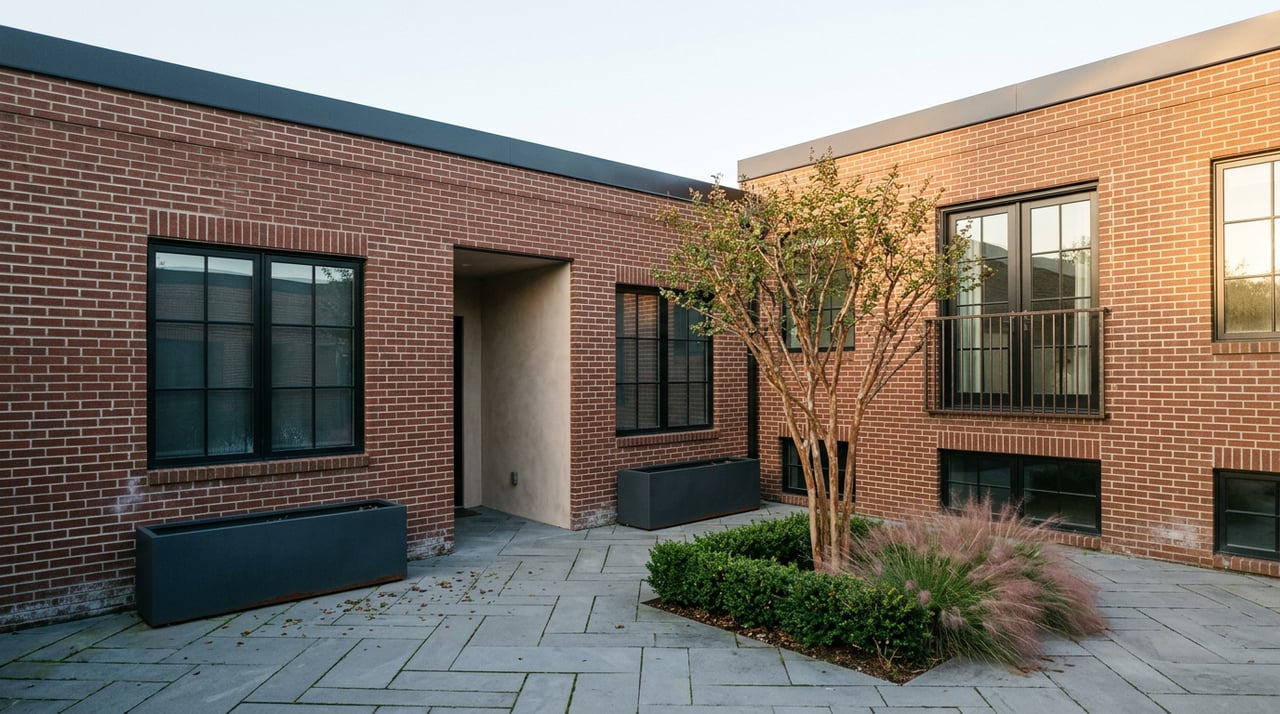
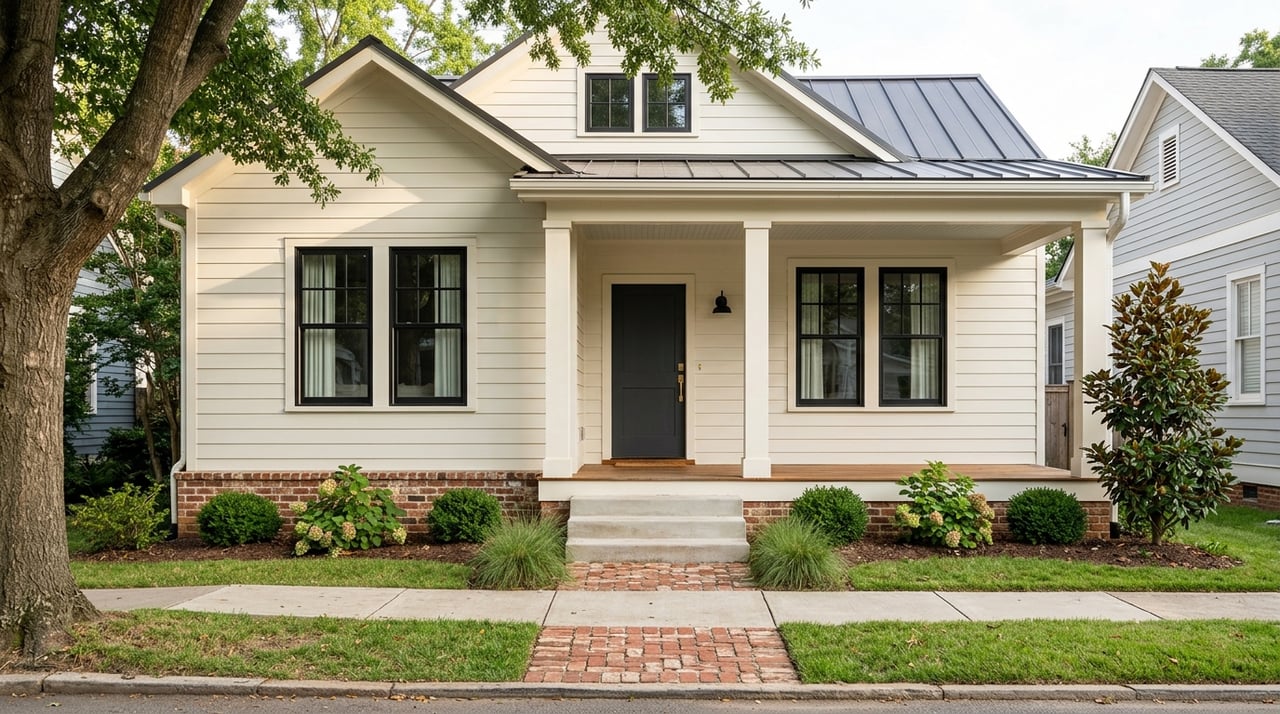
NoDa offers a broad housing mix, which is part of its appeal. Historic homes in the area originally ranged from simple mill cottages and boarding houses to larger two-story houses. More recent redevelopment has added mill conversions, apartments, condos, townhomes, and infill projects on former industrial parcels.
That variety gives buyers several entry points depending on budget and lifestyle. You can find smaller attached options, newer townhomes, and larger single-family homes, but each category comes with a different price band and level of availability.
What buyers can expect by price point
Current listing examples show a wide spread. Active listings have included a one-bedroom unit around $259,900, condos roughly from $305,000 to $385,000, townhomes around $450,000 to $505,000, larger attached homes near $550,000 to $699,000, and single-family properties from about $545,000 to $1.65 million.
That range gives you choices, but it also shows that truly low-cost inventory is limited. If NoDa is high on your list, it helps to define early whether you are targeting an entry-level attached home, a mid-range townhome, or a more premium detached property.
The market is active and relatively tight
As of April 2026, Realtor.com reported 75 homes for sale and 647 rental listings in NoDa. The median listing price was $499,900, the median sold price was $445,000, the median rent was $1,631 per month, and median days on market were 49. Redfin placed the April 2026 median sale price at $484,820.
Taken together, those numbers suggest an active neighborhood where good-fit homes can attract attention quickly. If you are shopping here, being prepared can make a real difference when the right property hits the market.
Who tends to love living in NoDa
NoDa often appeals to people who want their neighborhood to feel like part of their lifestyle, not just the place where they sleep. If you value walkability, local business activity, rail access, and an arts-focused setting, the area may feel like a strong fit.
It can be especially appealing if you prefer attached housing or a lower-maintenance setup close to amenities. For some buyers, that tradeoff is worth more than having a larger lot or easier parking farther from the city core.
What to weigh before moving to NoDa
Every neighborhood has tradeoffs, and NoDa is no exception. Here, the main exchange is clear: you gain walkability, transit access, coffee and brewery density, and a strong arts identity, but you may need to accept tighter parking, a more urban housing mix, and pricing that can move quickly into mid-to-upper ranges.
That is why it helps to think beyond the listing photos. The right question is not only whether you like NoDa, but whether its daily rhythm matches how you actually want to live.
Smart tips for buyers considering NoDa
If you are serious about buying in NoDa, a little planning goes a long way. Focus on the habits you want your home to support, not just the finishes inside the property.
A few smart things to evaluate include:
- Your walking distance to coffee, dining, rail, or greenway access
- Whether the home includes off-street parking or garage space
- The difference between condo, townhome, and single-family maintenance needs
- How quickly you may need to act when a well-priced home becomes available
- Whether your budget aligns better with attached housing or detached options
When you approach the search with both lifestyle and numbers in mind, you are more likely to choose a home that fits long after move-in day.
If you want help weighing NoDa against other Charlotte neighborhoods, or you are ready to explore what is currently available, Sylvia S. Gause offers high-touch buyer guidance backed by deep local market insight.
FAQs
What is daily life like in NoDa, Charlotte?
- Daily life in NoDa often centers on short trips, walkable streets, local coffee shops, breweries, public art, and community events, with Blue Line access adding convenience for many residents.
What kinds of homes are available in NoDa?
- NoDa has a mixed housing stock that includes historic cottages, condos, apartments, townhomes, mill conversions, infill homes, and larger single-family properties.
What are home prices like in NoDa?
- As of April 2026, Realtor.com reported a median listing price of $499,900 and a median sold price of $445,000 in NoDa, while Redfin reported a median sale price of $484,820.
Is NoDa a walkable neighborhood in Charlotte?
- Yes. Street improvements such as crosswalks, curb bump-outs, updated lighting, and on-street parking have helped support a more pedestrian-oriented feel in NoDa.
How do you get around from NoDa without driving?
- Residents can use the Blue Line at 36th Street Station or Sugar Creek Station, connect to CATS bus routes, bike on North Davidson lanes, or access nearby greenway routes and Cordelia Park.
Is parking difficult in NoDa?
- Parking can be limited in NoDa, and the neighborhood encourages visitors to avoid driving when possible. Buyers should pay close attention to a home’s off-street parking options and guest parking reality.