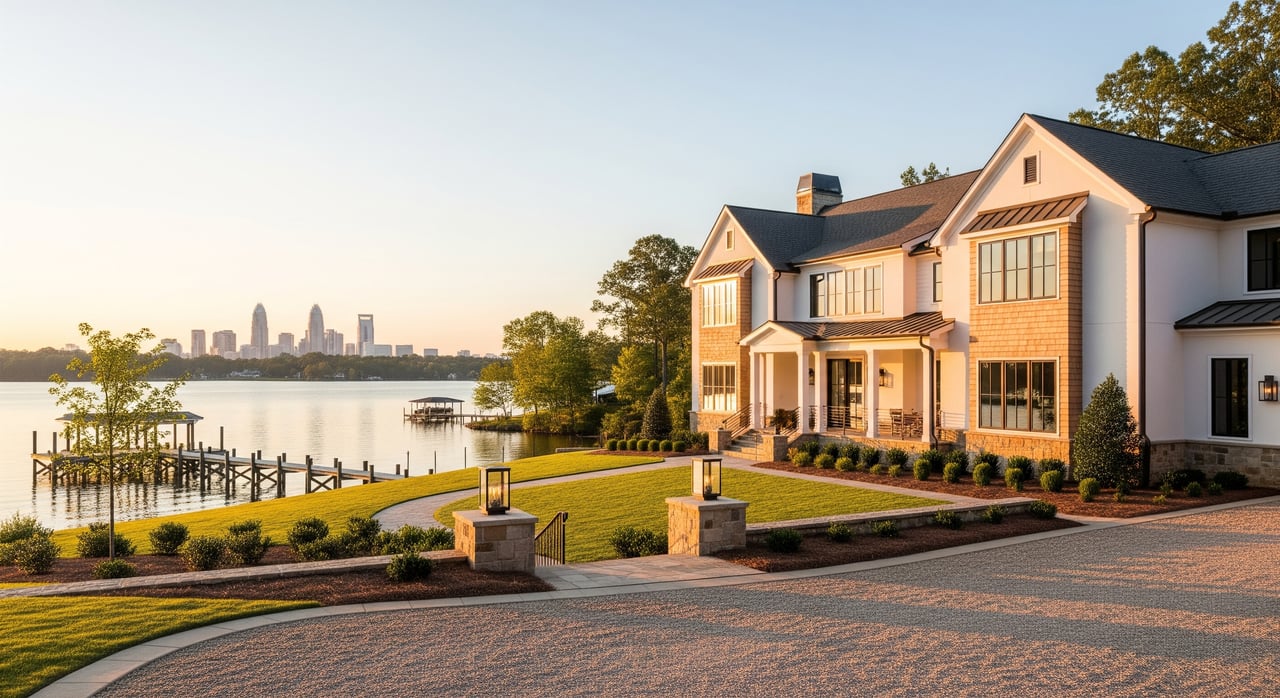
Thinking about a move to Huntersville but unsure how the commute, lifestyle, and housing options will balance out for you? You are not alone. Many buyers weigh access to Uptown Charlotte against Lake Norman recreation and suburban space. In this guide, you will learn how Huntersville fits into the Charlotte metro, how to plan for I-77, what amenities you can count on, and which housing tradeoffs to consider before you buy. Let’s dive in.
Huntersville at a glance
Huntersville sits in northern Mecklenburg County along the southern and eastern shores of Lake Norman, just north of Charlotte’s Uptown core. It serves as both a commuter base for the Charlotte job market and a local hub with retail, restaurants, and everyday services. You will find suburban neighborhoods, lake access, and mixed-use pockets that offer different lifestyle choices depending on your priorities.
If you want to explore local services, development updates, parks, and community programs, start with the Town of Huntersville’s official site.
Commuting on I-77
I-77 is the main link between Huntersville and Uptown Charlotte. Peak travel typically flows southbound in the morning and northbound in the evening, which is when delays are most likely. Neighborhood location relative to interchanges can meaningfully affect your drive time.
The I-77 Express Lanes operate on part of the corridor and can improve travel-time reliability during rush hours. For updates on highway projects and driving conditions, check the N.C. Department of Transportation. Regional plans and construction timelines that may affect your future commute are available through the Charlotte Regional Transportation Planning Organization.
How to set commute expectations
- Drive your route during your actual peak hours to test real conditions.
- Compare express lanes versus general-purpose lanes to gauge time savings and cost.
- Ask your employer about flexible hours if you plan hybrid or off-peak commuting.
Transit options and walkability
Fixed-route transit is more limited in Huntersville than in central Charlotte. The Charlotte Area Transit System offers express bus and park-and-ride options that can help on peak days. You can review routes and schedules through CATS.
Some mixed-use areas, like Birkdale Village, are more walkable for errands and dining. Most residential areas remain car-dependent, so plan for daily driving if you prefer a quieter, suburban setting away from the main corridors.
Everyday amenities
Huntersville has the essentials for day-to-day living. You will find grocery options, healthcare providers, restaurants, and fitness studios without having to drive into Charlotte. As the area continues to grow, new retail and services come online regularly.
For municipal services, parks programming, and facility locations, the Town of Huntersville maintains updated information. For county-level resources and services, including taxes and mapping tools, visit Mecklenburg County.
Lake Norman recreation
If time on the water is part of your lifestyle, Huntersville offers convenient access to Lake Norman for boating, fishing, and paddle sports. Public marinas, boat ramps, and nearby greenways make it easy to enjoy the outdoors for most of the year. Seasonal patterns matter, since spring through fall are the most active months on the lake.
To plan activities and find regional recreation, use Visit Lake Norman for ideas and local listings. County and state parks around the lake are popular for hiking and picnics. Confirm hours and facilities before you go, especially on peak weekends.
Homes and neighborhood tradeoffs
Huntersville’s housing includes a mix of single-family homes, townhomes, and condos, plus lakefront options at higher price points. Your ideal fit depends on how you weigh commute, space, and water access.
- Commuter-focused areas: Closer to I-77 interchanges and park-and-ride lots can help reduce drive time to Charlotte. Expect more traffic nearby, especially at peak hours.
- Lakefront and lake-adjacent neighborhoods: Waterfront access and views are the draw. These homes may come with additional maintenance, shoreline considerations, and insurance needs.
- Walkable mixed-use pockets: Areas near shopping and dining hubs make errands easier by foot or a short drive. Homes may have smaller lots or townhome options.
- Suburban neighborhoods: Larger lots and community amenities like pools and trails are common. These areas can sit farther from highways or the lake.
If you want a deeper look at current developments, park expansions, and long-range planning, explore the Town of Huntersville resources and planning pages.
Costs to plan for
Beyond the purchase price, budget for ongoing costs that can vary by home type and location.
- HOA dues: Common in master-planned communities and condos.
- Property taxes: Review policies and parcel data through Mecklenburg County, including any special assessments.
- Flood and shoreline insurance: Lakefront homes should be evaluated for flood risk using the FEMA Flood Map Service Center. Requirements vary by parcel and lender.
- Utilities: Many neighborhoods use municipal water and sewer. Edge-of-town properties may rely on well or septic. Confirm service and recent bills during due diligence.
Schools and services checklist
Huntersville is served by Charlotte-Mecklenburg Schools, along with nearby charter and private options. Because assignments and programs can change, verify current school maps and performance data directly with the district. Start with Charlotte-Mecklenburg Schools for the latest information.
When evaluating childcare and after-school logistics, contact providers early since availability can fluctuate. Keep commute paths and activity schedules in mind as you compare neighborhoods.
Remote-work tips
If you work from home or plan a hybrid schedule, a few steps can make day-to-day life smoother.
- Confirm broadband: Verify high-speed internet options and speeds by address before you write an offer.
- Home office layout: Look for a dedicated room, good natural light, and separation from busy living areas.
- Daytime amenities: Proximity to parks and coffee shops can support breaks and focus on hybrid days.
- Noise checks: Tour at different times to assess street or highway noise if you need quiet calls.
Smart touring game plan
- Visit during rush hour: Test your commute and observe traffic near interchanges.
- Tour day and evening: Check lighting, noise, and parking at different times.
- Lakefront buys: Inspect docks, shoreline, and water access. Confirm permits and any regulations through state and local channels like North Carolina DEQ and county offices.
- Total monthly cost: Estimate mortgage, taxes, HOA, utilities, and any required flood or shoreline insurance.
How to choose your fit
Start by ranking what matters most: commute predictability, lake access, walkability, or lot size. Then match those priorities to neighborhood types. If you plan a hybrid schedule, the I-77 corridor can work well when you combine an occasional express-lane trip with remote days at home. If weekends on the water matter most, lean toward lake-adjacent or waterfront options and build in time to confirm flood status, shoreline rules, and maintenance needs.
Finally, use official sources to stay current as you narrow your search:
- For roads, construction, and travel planning: NCDOT and CRTPO
- For parks and local programs: Town of Huntersville
- For schools and assignments: Charlotte-Mecklenburg Schools
- For property taxes and county services: Mecklenburg County
- For flood status: FEMA Flood Map Service Center
- For lake activities and attractions: Visit Lake Norman
Ready to compare neighborhoods and craft a plan that fits your lifestyle and budget? Connect with Sylvia S. Gause for neighborhood intelligence, virtual previews, and a streamlined path to your Huntersville move.
FAQs
What is the primary commute route from Huntersville to Charlotte?
- I-77 is the main north-south corridor linking Huntersville to Uptown Charlotte, with peak congestion during weekday rush hours.
Are there transit options if I do not want to drive daily?
- The Charlotte Area Transit System operates express bus and park-and-ride options that can reduce peak-hour driving for some commuters.
How walkable is Huntersville for daily errands?
- Most neighborhoods are car-dependent, though mixed-use hubs like Birkdale Village offer more walkable access to dining and retail.
What should I know about lakefront home ownership on Lake Norman?
- Expect additional due diligence on flood risk, shoreline rules, dock permits, and insurance. Use FEMA maps and state or county guidance for specifics.
How do I verify school assignments for a specific address?
- Check the latest boundaries and program details directly with Charlotte-Mecklenburg Schools, since assignments and offerings can change.
Which resources provide updates on road projects that affect my commute?
- NCDOT and the Charlotte Regional Transportation Planning Organization publish plans and advisories that can affect travel times and reliability.